
Tips for Keeping Your Indoor Plants Healthy and Vibrant Throughout the Year
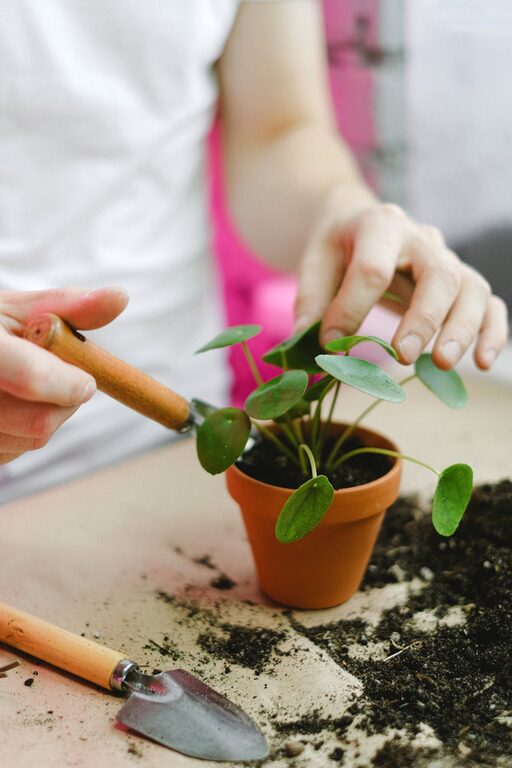
Bringing indoor plants into your home adds a touch of nature, improves air quality, and enhances your living space’s ambiance. However, keeping these plants healthy and vibrant throughout the year requires consistent care and attention. Whether you’re a beginner or an experienced plant parent, these tips will help you nurture your indoor greenery all year round.
Understanding Your Indoor Plants’ Needs
Every plant species has unique requirements for light, water, temperature, and humidity. The first step to successful plant care is to understand the specific needs of your plants. Check the plant tag or do a quick search to learn about:
– Light preferences: some plants thrive in bright, indirect light, while others can tolerate low-light conditions.
– Watering frequency: overwatering is a common mistake that can cause root rot; some plants prefer soil to dry out between waterings.
– Temperature range: most indoor plants do well in typical room temperatures but be mindful of drafts or heating vents.
– Humidity needs: tropical plants often need higher humidity than drier indoor environments offer.
Knowing these basics will help you create the ideal environment for your plants.
Providing Optimal Light
Light is one of the most critical factors for healthy indoor plants.
– Position your plants well: Place sun-loving plants near windows with plenty of natural light. If your home has limited sunlight, consider using sheer curtains to diffuse light or add artificial grow lights.
– Rotate regularly: To promote even growth, rotate your plants weekly so all sides receive light.
– Watch for signs of too much or too little light: Yellowing leaves might indicate excessive sunlight, while leggy, stretched growth suggests insufficient light.
By adjusting light exposure throughout the year, you can support your plants’ natural growth cycles.
Watering Wisely
Watering is often the trickiest part of indoor plant care. Here’s how to do it right:
– Check soil moisture before watering: Insert your finger about an inch into the soil. If it’s dry, it’s time to water; if it’s still moist, wait a few days.
– Use room temperature water: Cold water can shock the roots.
– Water thoroughly but don’t overdo it: Ensure water drains freely through the pot. Empty excess water from saucers to prevent root rot.
– Adjust watering with seasons: Plants usually need less water during cooler months and more during their active growing periods.
Learning your plant’s watering signals prevents both drought stress and overwatering problems.
Feeding Your Plants
Indoor plants benefit from regular feeding to stay vibrant and healthy.
– Use balanced fertilizer: A general-purpose liquid fertilizer or a slow-release formula works well.
– Follow the recommended schedule: Feed most plants every 4–6 weeks during the growing season (spring and summer).
– Reduce feeding in winter: Many plants go dormant and require fewer nutrients.
– Consider organic options: Compost teas or worm castings provide gentle, natural nourishment.
Fertilizing supports strong growth, bright leaves, and flowering.
Managing Humidity and Temperature
Indoor environments can be dry, especially during winter heating.
– Increase humidity: Group plants together to create a microclimate, use a humidifier, or place trays of water and pebbles near your plants.
– Avoid cold drafts and heating vents: Sudden temperature changes stress plants.
– Keep stable temperatures: Most houseplants thrive between 65–75°F (18–24°C). Avoid placing plants too close to windows or doors that lose heat.
Maintaining comfortable humidity and temperature conditions helps plants flourish year-round.
Pruning and Cleaning Leaves
Regular maintenance keeps your plants looking their best.
– Prune dead or yellowing leaves: This prevents disease and encourages new growth.
– Trim leggy stems: Helps maintain a compact, attractive shape.
– Clean leaves gently: Dust accumulation blocks light and can encourage pests. Wipe leaves with a soft, damp cloth or give plants a gentle shower occasionally.
– Repot when necessary: When roots outgrow their space, repot into a slightly larger container with fresh soil during spring.
These steps keep your plants vibrant and free from common problems.
Watch Out for Pests and Diseases
Indoor plants can be prone to pests like spider mites, aphids, and mealybugs.
– Inspect plants regularly: Check leaves and stems for any signs of infestation.
– Isolate affected plants: Prevent pests from spreading to other plants.
– Use natural remedies: Insecticidal soap or neem oil are effective, plant-safe treatments.
– Maintain good airflow: Avoid overly humid, stagnant conditions that encourage fungal diseases.
Early detection and treatment help keep your plants healthy and pest-free.
Seasonal Care Adjustments
Your indoor plants’ care needs change with the seasons.
– Spring and summer: Increase watering and fertilizing as plants grow actively. Consider moving plants outdoors if weather permits.
– Fall: Gradually reduce watering and feeding. Check for pests before bringing plants indoors.
– Winter: Provide bright light near windows, avoid drafts, and reduce watering substantially.
Adjusting care with the seasons helps plants rest and grow optimally.
Conclusion
Keeping indoor plants healthy and vibrant takes attention to lighting, watering, feeding, and maintenance throughout the year. By understanding your plants’ individual needs and adjusting care as seasons change, you can enjoy thriving greenery in your home that brings beauty and freshness every day. Happy gardening!