Tips for Creating a Productive Home Office Space
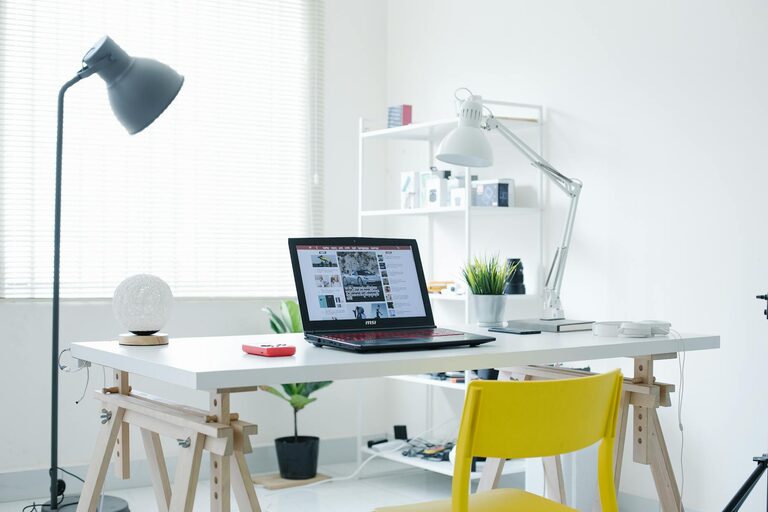
Creating a productive home office space is essential for anyone working remotely or spending significant time on tasks at home. A well-designed workspace can improve focus, reduce distractions, and promote a healthy work routine. Whether you have a dedicated room or just a small corner, these tips can help you set up an office that supports your productivity and comfort.
Choose the Right Location
Assess Your Available Space
Start by identifying the best spot in your home for a workspace. Look for a quiet area with minimal foot traffic and distractions. If possible, pick a room with a door you can close during work hours.
Natural Light Benefits
Position your desk near a window to take advantage of natural light. Daylight helps reduce eye strain and enhances mood, which can boost your overall efficiency.
Avoid Noisy Areas
Keep your office away from noisy parts of your home, such as kitchens, living rooms, or near loud appliances. If unavoidable, consider noise-canceling headphones or soundproofing options.
Invest in Comfortable Furniture
Ergonomic Chair
Choose a chair that supports your back and encourages good posture. Sitting for long hours in an uncomfortable chair can lead to discomfort or injuries.
Proper Desk Height
Your desk should allow your forearms to rest parallel to the floor when typing, preventing strain in your wrists and shoulders.
Consider Adjustable Furniture
Height-adjustable desks or chairs offer flexibility, letting you switch between sitting and standing to improve circulation.
Organize for Efficiency
Declutter Your Space
Keep your workspace tidy by minimizing unnecessary items. A cluttered desk can increase stress and reduce focus.
Use Storage Solutions
Incorporate shelves, filing cabinets, or desk organizers to store supplies and paperwork neatly.
Cable Management
Use clips, sleeves, or boxes to manage cables and avoid tangled wires, which can create distractions and safety hazards.
Optimize Lighting
Combine Natural and Artificial Lighting
While natural light is ideal, supplement it with task lighting such as desk lamps to reduce eye strain during evening hours or on cloudy days.
Use Soft, Warm Lights
Choose lighting that is bright enough but not harsh. Soft, warm light creates a comfortable environment that is gentle on your eyes.
Personalize Your Workspace
Add Plants
Plants not only improve air quality but also add a touch of nature, which can increase happiness and reduce stress.
Use Inspiring Decor
Incorporate pictures, artwork, or motivational quotes that encourage you without overwhelming your space.
Keep Essentials Handy
Have everyday items like pens, notebooks, and chargers within reach to maintain workflow without unnecessary interruptions.
Maintain Work-Life Boundaries
Set Specific Work Hours
Designate clear start and end times to separate professional tasks from personal time.
Create a Routine
Begin your workday with a routine that signals it’s time to focus, such as a morning walk or coffee, and end with a closing ritual.
Avoid Workspace Creep
Try not to use your workspace for non-work activities to maintain a mental boundary between work and leisure.
Use Technology Wisely
Reliable Internet Connection
Ensure you have fast and stable internet to avoid disruptions during meetings or tasks.
Efficient Tools
Use productivity apps, calendars, and communication platforms to stay organized and connected.
Manage Notifications
Turn off non-essential notifications during focus time to minimize distractions.
Take Breaks and Move
Follow the 20-20-20 Rule
Every 20 minutes, look at something 20 feet away for 20 seconds to reduce eye strain.
Stretch Regularly
Take short breaks to stretch or walk to reduce fatigue and improve circulation.
Stay Hydrated
Keep water nearby and drink regularly to maintain energy and concentration.
—
Creating a productive home office doesn’t mean you need a perfect setup from the start. Small changes and thoughtful adjustments can make a big difference in your comfort and output. Experiment with these tips to find what works best for your work style and environment. A well-designed home office helps you stay motivated, maintain balance, and achieve your work goals effectively.