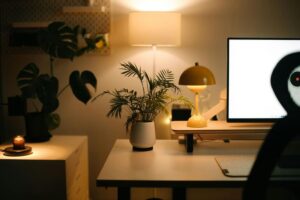
Tips for Creating a Cozy and Productive Home Office Space
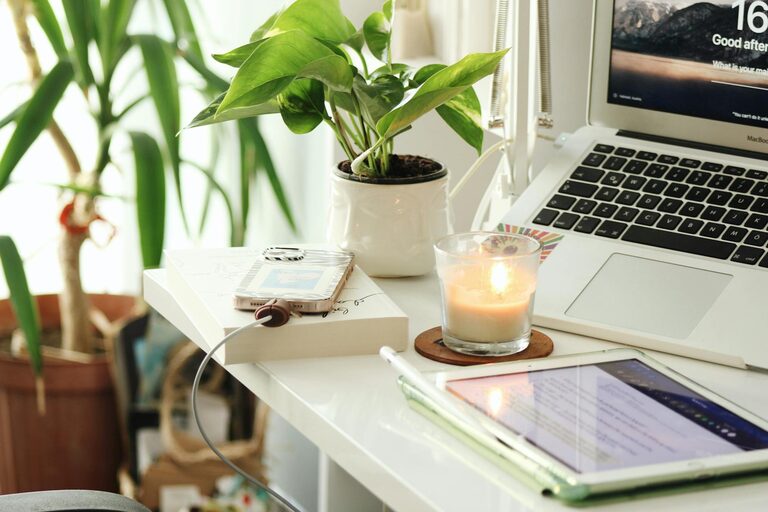
Creating a home office that feels cozy yet boosts productivity is essential for anyone working remotely or managing personal projects at home. A well-designed space can improve focus, reduce stress, and make work more enjoyable. Whether you have a dedicated room or a small nook, these tips will help you set up an ideal home office that balances comfort and efficiency.
1. Choose the Right Location
Consider Natural Light
Position your desk near a window if possible. Natural light can help improve mood and reduce eye strain. Avoid glare on your screen by adjusting the angle of your desk or using curtains and blinds.
Minimize Distractions
Pick a quiet corner away from high-traffic areas like the kitchen or living room. If space is limited, consider noise-cancelling headphones or room dividers to create a sense of separation.
2. Invest in Comfortable and Functional Furniture
Ergonomic Chair
A good office chair supports your posture, reducing the risk of back and neck pain. Look for adjustable height and lumbar support to customize your seating comfort.
Practical Desk
Choose a desk that fits your workspace and storage needs. It should be large enough to hold your computer, notebooks, and other essentials without feeling cluttered.
Adjustable Desk Option
If possible, consider a sit-stand desk. Alternating between sitting and standing can boost energy and prevent stiffness over long periods.
3. Organize with Purpose
Declutter Your Space
A tidy desk promotes clear thinking. Use organizers, trays, or baskets to keep pens, papers, and cables neatly stored.
Use Shelving and Storage Solutions
Floating shelves or cabinets help maximize vertical space and keep items off your desk. Label storage bins to quickly find what you need.
Digital Organization
Keep your computer files and emails organized to prevent digital clutter from adding to your physical one.
4. Personalize Your Workspace
Add Cozy Elements
Incorporate soft textures such as cushions, rugs, or a throw blanket. These add comfort and warmth to your office, making it a place you look forward to spending time.
Choose Calming Colors
Paint or decorate your space with soothing colors like blues, greens, or neutrals. These tones can create a peaceful environment conducive to focus.
Include Plants
Indoor plants not only improve air quality but also add a touch of nature that can reduce stress and increase creativity.
5. Optimize Lighting
Layer Lighting Sources
Combine ambient lighting with task lights and accent lighting. A desk lamp with adjustable brightness ensures proper lighting for reading or writing without straining your eyes.
Avoid Harsh Fluorescent Lights
If you use overhead lights, opt for warm or natural light bulbs that are easier on the eyes.
6. Maintain Good Air Quality and Temperature
Ventilate Regularly
Open windows when possible to let in fresh air. If not, use an air purifier to reduce dust and allergens.
Control Temperature
Ensure your workspace is comfortable by using fans, heaters, or smart thermostats to maintain a steady temperature suitable for prolonged work.
7. Set Up Technology for Efficiency
Reliable Internet Connection
A strong internet connection is vital for smooth video calls and data transfers. Position your router nearby or use Wi-Fi extenders if needed.
Proper Equipment
Invest in a good monitor, keyboard, and headset to reduce strain and improve your work performance.
Manage Cables
Use cable organizers or clips to keep cords tidy and prevent tripping hazards.
8. Establish Boundaries and Routine
Define Work Hours
Having clear work hours helps separate your professional and personal life, even within the same space.
Create a Start-Up Routine
Begin your day by tidying your desk, making a cup of tea or coffee, and reviewing your to-do list to signal the start of work time.
Conclusion
Designing a cozy and productive home office is all about combining comfort with functionality. By paying attention to your physical environment, organization, and technology setup, you can create a space that inspires focus and creativity. Small changes, such as adding plants or improving lighting, can make a big difference to your daily work experience. Experiment with these tips and tailor your workspace to what works best for you!